
Do you work on your feet all day and find your feet in pain? Don't go to work in pain each day. Your foot pain can be treated, and we can help.
Do you work on your feet all day and find your feet in pain? Don't go to work in pain each day. Your foot pain can be treated, and we can help.

As we age, the idea of independent living becomes a reality that must be faced. One of the chief factors in remaining independent as a senior is preventing falls. Risks of falls are directly related to muscle strength, fatigue, loss of balance, and numbness in the feet. Balance problems include dizziness when standing up suddenly, vertigo when the head turns, and feeling unsteady when walking. Actions that can be taken by seniors to help prevent falls include, using a walking aid if you are unsure about your balance. This action can give you the confidence to be more active, as becoming sedentary contributes to the loss of muscle strength. Checking prescriptions of any medication you take for side effects, such as dizziness, is a good idea. Experts also recommend having your eyesight checked to see if you may need new glasses. Balance exercises and light exercise are suggested, as long as you stop to rest when you get tired. Supportive and properly fitting footwear with ample cushioning and non-skid soles are also a good idea. For more ways to prevent falling, please consult a podiatrist.
Preventing falls among the elderly is very important. If you are older and have fallen or fear that you are prone to falling, consult with Rahil Baxamusa, DPM from Illinois. Our doctor will assess your condition and provide you with quality advice and care.
Every 11 seconds, an elderly American is being treated in an emergency room for a fall related injury. Falls are the leading cause of head and hip injuries for those 65 and older. Due to decreases in strength, balance, senses, and lack of awareness, elderly persons are very susceptible to falling. Thankfully, there are a number of things older persons can do to prevent falls.
How to Prevent Falls
Some effective methods that older persons can do to prevent falls include:
Falling can be a traumatic and embarrassing experience for elderly persons; this can make them less willing to leave the house, and less willing to talk to someone about their fears of falling. Doing such things, however, will increase the likelihood of tripping or losing one’s balance. Knowing the causes of falling and how to prevent them is the best way to mitigate the risk of serious injury.
If you have any questions, please feel free to contact our office located in Crystal Lake, IL . We offer the newest diagnostic and treatment technologies for all your foot care needs.
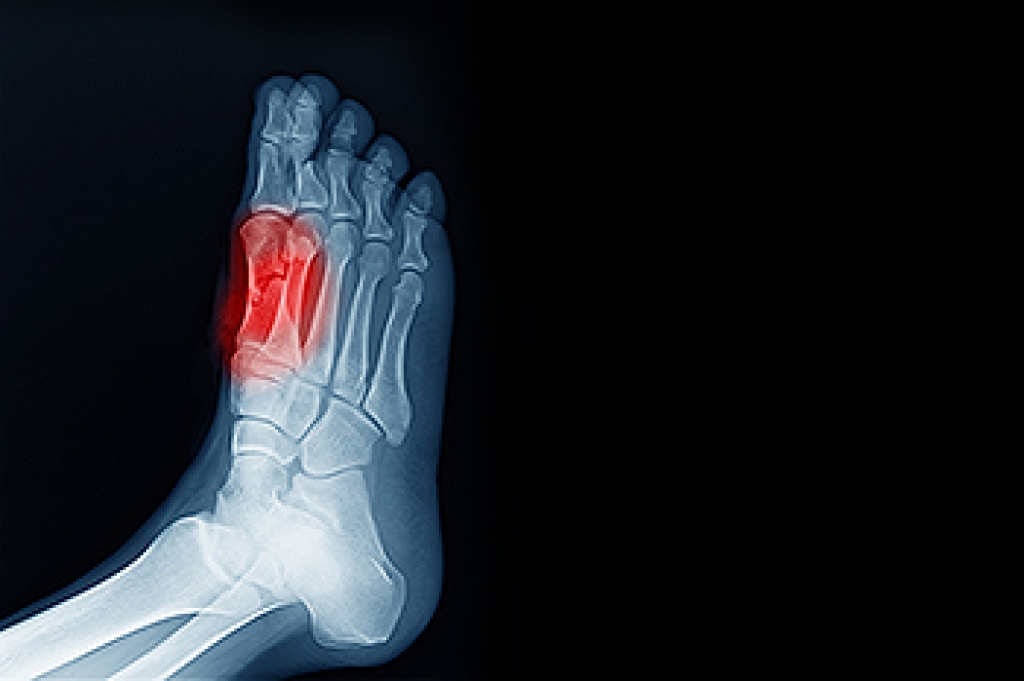
A condition known as sesamoiditis occurs when tissues that embed the two tiny sesamoid bones just under the base of the big toe become inflamed. Sesamoiditis is considered to be an overuse injury, caused when pressure is repeatedly put on the ball of the foot, especially when flexing the big toe. As a result, this injury is common among runners, football players, dancers and basketball players. Treatments vary for sesamoiditis, and experts find that a combination of them works best. Included are eliminating the activities that cause the overuse, taking pain medication, and performing certain exercises. Wearing shoes that fit properly is recommended, and wearing high-heels or any shoes that force the weight onto the ball of the foot should be avoided. In some cases, depending on the severity of the sesamoiditis, cortisone injections can be effective in reducing the symptoms of pain, swelling, and difficulty bearing weight. Gel and foam orthotics are often used to reduce the pain. To find out more about treating sesamoiditis, please consult a podiatrist.
Sesamoiditis is an unpleasant foot condition characterized by pain in the balls of the feet. If you think you’re struggling with sesamoiditis, contact Rahil Baxamusa, DPM of Illinois. Our doctor will treat your condition thoroughly and effectively.
Sesamoiditis
Sesamoiditis is a condition of the foot that affects the ball of the foot. It is more common in younger people than it is in older people. It can also occur with people who have begun a new exercise program, since their bodies are adjusting to the new physical regimen. Pain may also be caused by the inflammation of tendons surrounding the bones. It is important to seek treatment in its early stages because if you ignore the pain, this condition can lead to more serious problems such as severe irritation and bone fractures.
Causes of Sesamoiditis
Treatment for sesamoiditis is non-invasive and simple. Doctors may recommend a strict rest period where the patient forgoes most physical activity. This will help give the patient time to heal their feet through limited activity. For serious cases, it is best to speak with your doctor to determine a treatment option that will help your specific needs.
If you have any questions, please feel free to contact our office located in Crystal Lake, IL . We offer the newest diagnostic and treatment technologies for all your foot care needs.

Many individuals might be candidates for different kinds of surgical procedures for the feet. These procedures can treat a wide variety of foot afflictions and might be necessary for some patients to heal from their condition. After you undergo a foot surgery, your podiatrist might recommend a variety of things that you can do post-surgery to help facilitate the healing and recovery process. For example, they might recommend performing certain physical exercises after foot surgery. They may also recommend exercising underwater, which reduces the amount of weight one puts on their feet. They might also recommend exercising your abdominals, which can ultimately increase stability and make walking easier. However, it is important to note that each person is uniquely different and one ought to closely follow the advice given by their podiatrist.
Foot surgery is sometimes necessary to treat a foot ailment. To learn more, contact Rahil Baxamusa, DPM of Illinois. Our doctor will assist you with all of your foot and ankle needs.
When Is Surgery Necessary?
Foot and ankle surgery is generally reserved for cases in which less invasive, conservative procedures have failed to alleviate the problem. Some of the cases in which surgery may be necessary include:
What Types of Surgery Are There?
The type of surgery you receive will depend on the nature of the problem you have. Some of the possible surgeries include:
Benefits of Surgery
Although surgery is usually a last resort, it can provide more complete pain relief compared to non-surgical methods and may allow you to finally resume full activity.
Surgical techniques have also become increasingly sophisticated. Techniques like endoscopic surgery allow for smaller incisions and faster recovery times.
If you have any questions, please feel free to contact our office located in Crystal Lake, IL . We offer the newest diagnostic and treatment technologies for all your foot care needs.
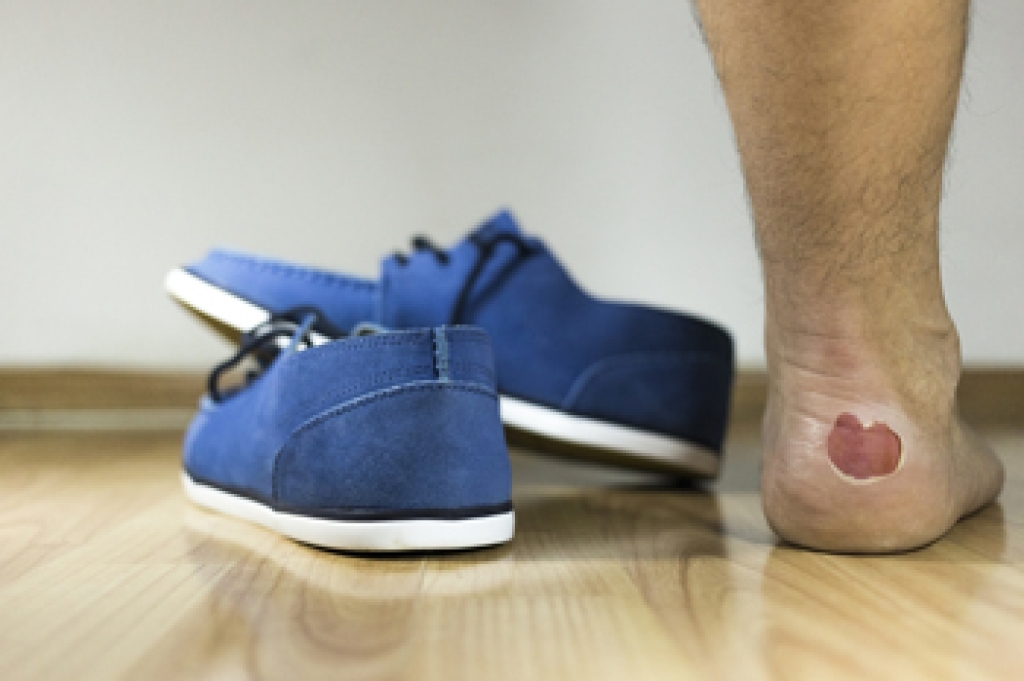
Blisters are quite a common form of foot affliction that can affect a wide variety of people. Blisters are filled with fluid and often develop on the feet in response to friction placed on the affected area. Other times, blisters can form on the feet in response to burns. Some individuals with this condition have the urge to pop these blisters. However, it is important to note that popping certain kinds of blisters is not recommended and may be dangerous. For example, it is generally not advisable to pop a burn blister. These blisters can be highly susceptible to infection. Sometimes, these blisters might pop on their own. In this case, you might consider keeping the blister covered. Maintaining moisture in the wound, perhaps with ointment, might also be beneficial. Contact a podiatrist today for more information.
Blisters are prone to making everyday activities extremely uncomfortable. If your feet are hurting, contact Rahil Baxamusa, DPM of Illinois. Our doctor can provide the care you need to keep you pain-free and on your feet.
Foot Blisters
Foot blisters develop as a result of constantly wearing tight or ill-fitting footwear. This happens due to the constant rubbing from the shoe, which can often lead to pain.
What Are Foot Blisters?
A foot blister is a small fluid-filled pocket that forms on the upper-most layer of the skin. Blisters are filled with clear fluid and can lead to blood drainage or pus if the area becomes infected.
How Do Blisters Form?
Blisters on the feet are often the result of constant friction of skin and material, usually by shoe rubbing. Walking in sandals, boots, or shoes that don’t fit properly for long periods of time can result in a blister. Having consistent foot moisture and humidity can easily lead to blister formation.
Prevention & Treatment
It is important to properly care for the affected area in order to prevent infection and ease the pain. Do not lance the blister and use a Band-Aid to provide pain relief. Also, be sure to keep your feet dry and wear proper fitting shoes. If you see blood or pus in a blister, seek assistance from a podiatrist.
If you have any questions, please feel free to contact our office located in Crystal Lake, IL . We offer the newest diagnostic and treatment technologies for all your foot care needs.
Connect With Us
