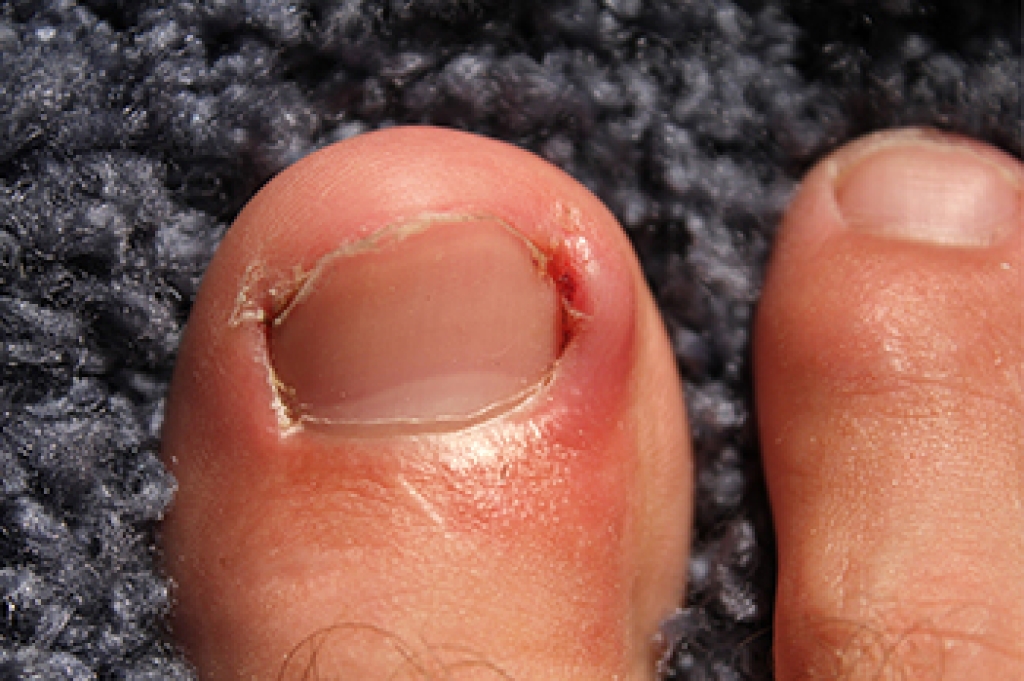
Understanding the Basics of Ingrown Toenails

Ingrown toenails are a common and often painful foot condition that can disrupt daily life. Understanding the definition and recognizing the symptoms is essential for managing this ailment effectively. An ingrown toenail occurs when the edge of a toenail, usually the big toe, grows into the surrounding skin instead of over it. This can lead to redness, swelling, and tenderness along the side of the affected toe. As the nail continues to dig into the skin, it can cause pain and discomfort, making it a challenge to wear shoes or walk comfortably. In some cases, ingrown toenails can become infected, resulting in pus drainage and increased pain. The common culprits behind ingrown toenails include improper nail trimming, wearing tight-fitting shoes, hereditary factors, or injury. It is helpful for individuals with diabetes, poor circulation, or weakened immunity to be especially cautious, as ingrown toenails can lead to more severe complications. Timely intervention is important. Soaking the foot in warm, soapy water, gently lifting the ingrown edge of the nail, and keeping the area clean can help alleviate symptoms. If you have developed an ingrown toenail, it is strongly suggested that you are under the care of a podiatrist who can effectively treat this condition.

Ingrown toenails can become painful if they are not treated properly. For more information about ingrown toenails, contact Rahil Baxamusa, DPM of Illinois. Our doctor can provide the care you need to keep you pain-free and on your feet.

Ingrown Toenails

Ingrown toenails occur when a toenail grows sideways into the bed of the nail, causing pain, swelling, and possibly infection.

Causes

  • Bacterial infections
  • Improper nail cutting such as cutting it too short or not straight across
  • Trauma to the toe, such as stubbing, which causes the nail to grow back irregularly
  • Ill-fitting shoes that bunch the toes too close together
  • Genetic predisposition

Prevention

Because ingrown toenails are not something found outside of shoe-wearing cultures, going barefoot as often as possible will decrease the likeliness of developing ingrown toenails. Wearing proper fitting shoes and using proper cutting techniques will also help decrease your risk of developing ingrown toenails.

Treatment

Ingrown toenails are a very treatable foot condition. In minor cases, soaking the affected area in salt or antibacterial soaps will not only help with the ingrown nail itself, but also help prevent any infections from occurring. In more severe cases, surgery is an option. In either case, speaking to your podiatrist about this condition will help you get a better understanding of specific treatment options that are right for you.

If you have any questions, please feel free to contact our office located in Crystal Lake, IL . We offer the newest diagnostic and treatment technologies for all your foot care needs.
Read more about Ingrown Toenails

Negative Effects of Wearing High Heels

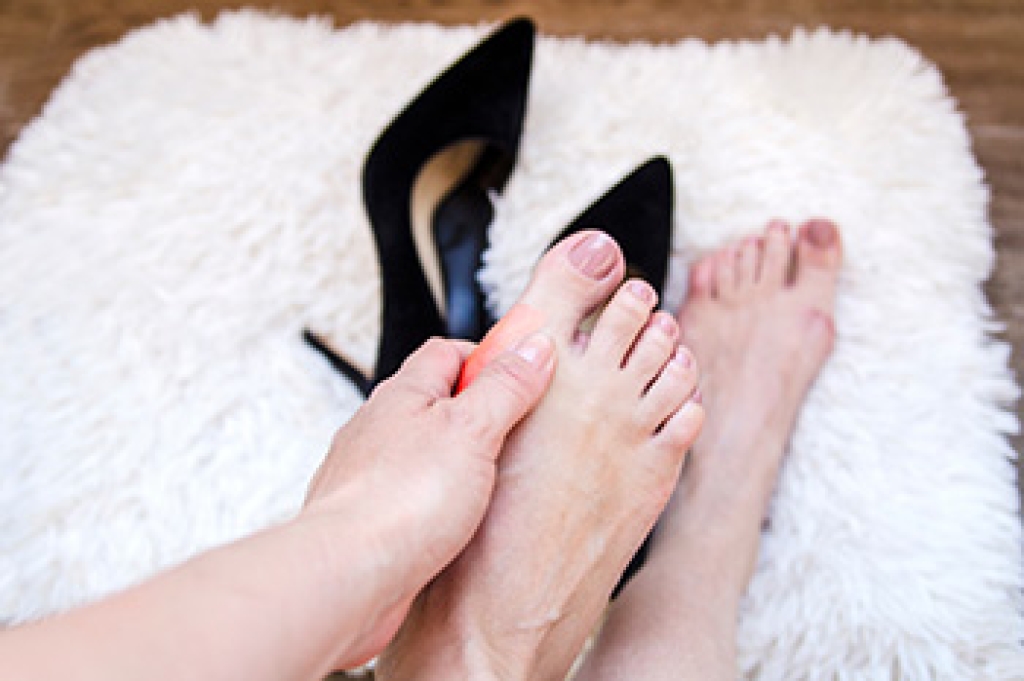
Wearing high heels can have serious consequences for your feet and overall well-being. While they may not be the most comfortable footwear, they are occasionally a desired shoe choice. Beyond the immediate discomfort, high heels can lead to several issues including foot and ankle injuries, arthritis, and aggravation of existing foot problems. These can include bunions, hammertoes, and an altered gait. To mitigate these issues, it is important to wear high heels in moderation, stretch regularly, and consider various foot therapy practices, such as reflexology and foot soaks. Choosing more supportive footwear is the ultimate cure for high-heel troubles. If you have foot or ankle pain associated with wearing high heels, it is suggested that you make an appointment with a podiatrist, the health care expert of the feet and ankles.

High heels have a history of causing foot and ankle problems. If you have any concerns about your feet or ankles, contact Rahil Baxamusa, DPM from Illinois. Our doctor can provide the care you need to keep you pain-free and on your feet.

Effects of High Heels on the Feet

High heels are popular shoes among women because of their many styles and societal appeal.  Despite this, high heels can still cause many health problems if worn too frequently.

Which Parts of My Body Will Be Affected by High Heels?

  • Ankle Joints
  • Achilles Tendon – May shorten and stiffen with prolonged wear
  • Balls of the Feet
  • Knees – Heels cause the knees to bend constantly, creating stress on them
  • Back – They decrease the spine’s ability to absorb shock, which may lead to back pain.  The vertebrae of the lower back may compress.

What Kinds of Foot Problems Can Develop from Wearing High Heels?

  • Corns
  • Calluses
  • Hammertoe
  • Bunions
  • Morton’s Neuroma
  • Plantar Fasciitis

How Can I Still Wear High Heels and Maintain Foot Health?

If you want to wear high heeled shoes, make sure that you are not wearing them every day, as this will help prevent long term physical problems.  Try wearing thicker heels as opposed to stilettos to distribute weight more evenly across the feet.  Always make sure you are wearing the proper shoes for the right occasion, such as sneakers for exercising.  If you walk to work, try carrying your heels with you and changing into them once you arrive at work.  Adding inserts to your heels can help cushion your feet and absorb shock. Full foot inserts or metatarsal pads are available. 

If you have any questions, please feel free to contact our office located in Crystal Lake, IL . We offer the newest diagnostic and treatment technologies for all your foot care needs.
Read more about Effect of High Heels on the Feet

Risk Factors for Gout

Gout, a painful form of arthritis, can disrupt your daily life, and if left untreated can cause serious joint damage. Recognizing the risk factors associated with gout is needed for prevention and early management. Diet plays a significant role, because a high intake of purine-rich foods like red meat, seafood, and alcohol increases uric acid levels, a primary trigger of gout. Genetics also play a role, as a family history of gout can elevate your risk. Certain genetic factors may predispose individuals to higher uric acid production or decreased excretion. Additionally, obesity is a contributing factor, as being overweight places added stress on joints and can lead to higher uric acid levels. Gout is more common in men, especially after the age of 30, and in women, the risk tends to increase after menopause. Certain medications can raise uric acid levels, and underlying health conditions like high blood pressure, diabetes, and kidney disease can further increase the risk of developing gout. To create a personalized prevention or treatment plan to battle gout it is suggested that you make an appointment with a podiatrist.

Gout is a foot condition that requires certain treatment and care. If you are seeking treatment, contact Rahil Baxamusa, DPM from Illinois. Our doctor will treat your foot and ankle needs.

What Is Gout?

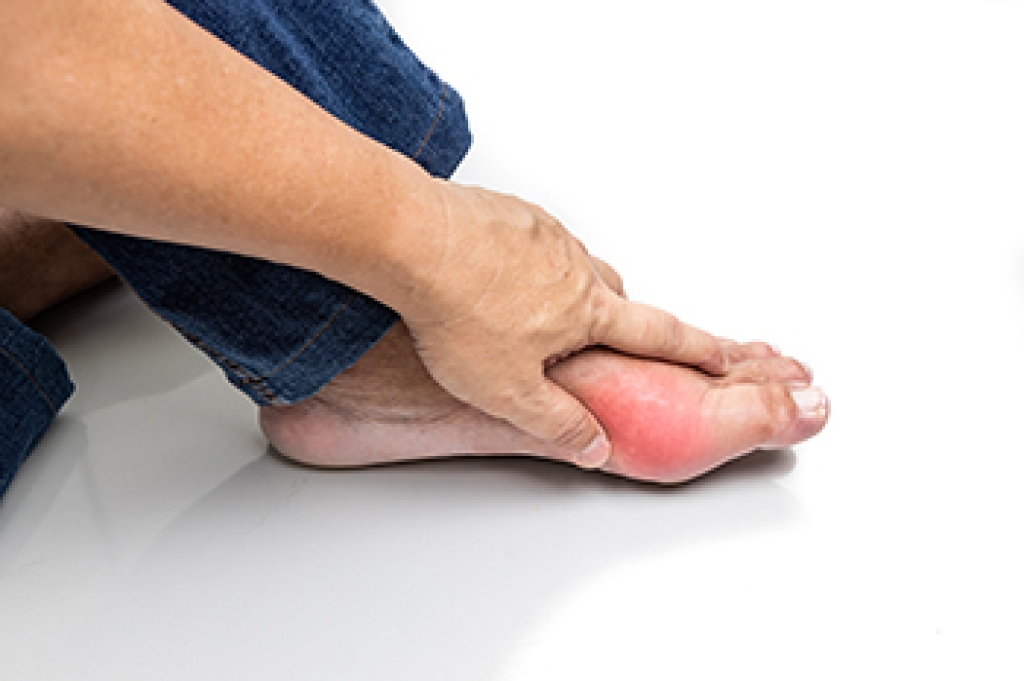
Gout is a type of arthritis caused by a buildup of uric acid in the bloodstream. It often develops in the foot, especially the big toe area, although it can manifest in other parts of the body as well. Gout can make walking and standing very painful and is especially common in diabetics and the obese.

People typically get gout because of a poor diet. Genetic predisposition is also a factor. The children of parents who have had gout frequently have a chance of developing it themselves.

Gout can easily be identified by redness and inflammation of the big toe and the surrounding areas of the foot. Other symptoms include extreme fatigue, joint pain, and running high fevers. Sometimes corticosteroid drugs can be prescribed to treat gout, but the best way to combat this disease is to get more exercise and eat a better diet.

If you have any questions, please feel free to contact our office located in Crystal Lake, IL . We offer the newest diagnostic and treatment technologies for all your foot care needs.
Read more about Everything You Need to Know About Gout

Do You Suffer From Painful Feet?

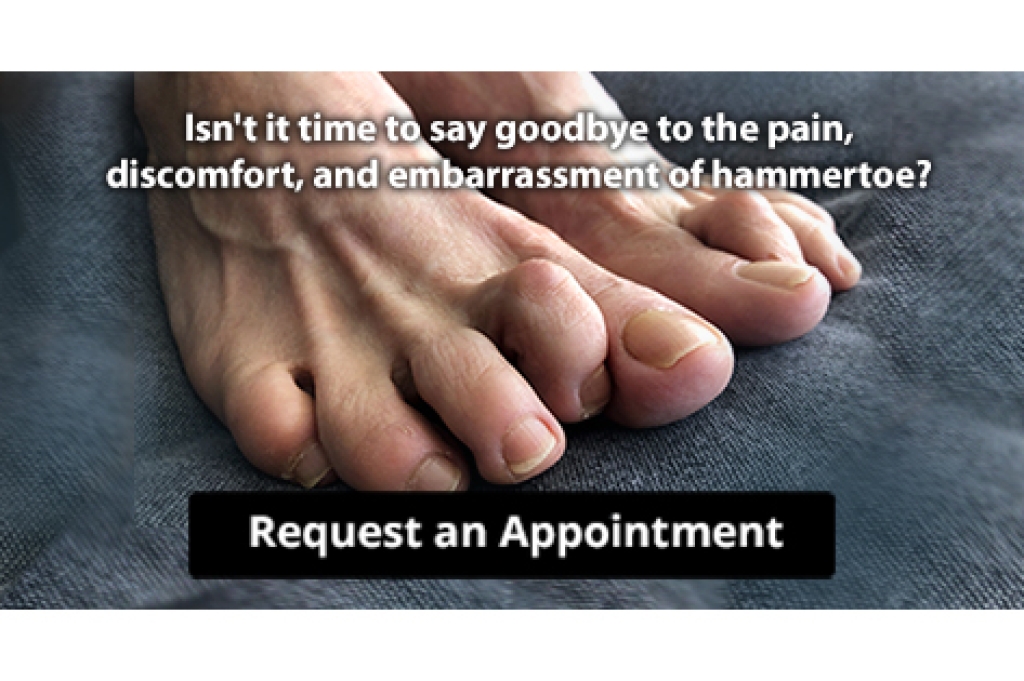
Painful deformities, such as hammertoes, can be treated. Stop living with foot pain, and have beautiful feet again!

Conditions Associated With Hammertoe

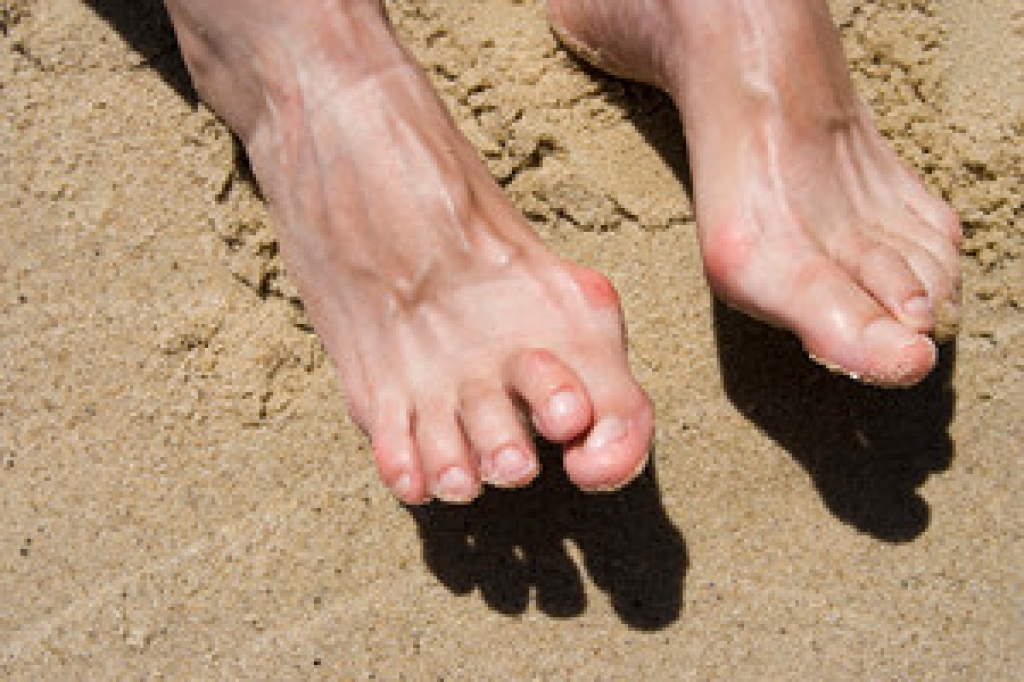
Hammertoe, claw toe, and mallet toe are related toe deformities that affect the small toes, impacting walking and balance. These deformities result when the pressure on the toes exceeds their joint strength, often due to weak joints, muscle imbalances, or tissue weakness in the lower part of the toe joint. Claw toe involves upward bending of the toe joint at the ball of the foot, with the middle and sometimes end joint curving downward, resembling a claw. It can affect any toes except the big toe. With hammertoe, the toe bends at the middle joint, creating a curled appearance. Hammertoe most commonly affects the second toe, and it often coexists with bunions. Mallet toe is similar to hammertoe but involves the last joint rather than the knuckle joint, resulting in a mallet-like appearance at the end of the toe. Causes of these conditions include wearing ill fitting shoes, high arches, and genetics. Additionally, arthritis, diabetes, tendon imbalances, and neurological conditions can be a cause of developing hammertoe. Treatment options range from padding, orthotic devices, and wearing proper footwear to surgical interventions, including tendon release, joint adjustments, and bone modifications. Surgery is considered when non-operative methods fail to alleviate pain or correct the deformity. If you have toe problems or pain, it is suggested that you make an appointment with a podiatrist for a proper diagnosis and treatment right for you.

Hammertoes can be a painful condition to live with. For more information, contact Rahil Baxamusa, DPM of Illinois. Our doctor will answer any of your foot- and ankle-related questions.

Hammertoe

Hammertoe is a foot deformity that occurs due to an imbalance in the muscles, tendons, or ligaments that normally hold the toe straight. It can be caused by the type of shoes you wear, your foot structure, trauma, and certain disease processes.

Symptoms

  • Painful and/or difficult toe movement
  • Swelling
  • Joint stiffness
  • Calluses/Corns
  • Physical deformity

Risk Factors

  • Age – The risk of hammertoe increases with age
  • Sex – Women are more likely to have hammertoe compared to men
  • Toe Length – You are more likely to develop hammertoe if your second toe is longer than your big toe
  • Certain Diseases – Arthritis and diabetes may make you more likely to develop hammertoe

Treatment

If you have hammertoe, you should change into a more comfortable shoe that provides enough room for your toes. Exercises such as picking up marbles may strengthen and stretch your toe muscles. Nevertheless, it is important to seek assistance from a podiatrist in order to determine the severity of your hammertoe and see which treatment option will work best for you.

If you have any questions, please feel free to contact our office located in Crystal Lake, IL . We offer the newest diagnostic and treatment technologies for all your foot care needs.

Read more about Hammertoe

Connect With Us